

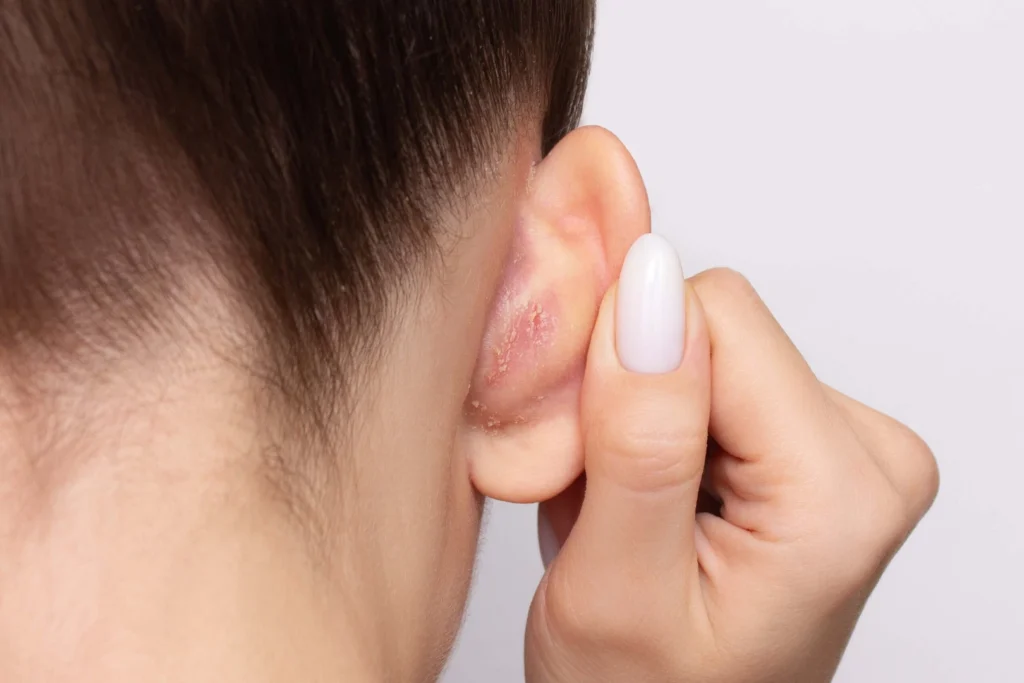
Seborrheic dermatitis is a chronic relapsing form of eczema that typically appears on the scalp. It can happen anywhere that there are a high number of oil-producing glands, including the chest, groin, or nose. Seborrheic dermatitis is often referred to by other names like dandruff and cradle cap when it develops at different ages. When it first appears, it may be caused by excessive yeast growth, hormone changes, or other medical conditions. Multiple factors can cause seborrheic dermatitis flare-ups, but they are often more common in adults.
Limiting flare-ups can reduce irritation and scaly patches that may lower your confidence. Here are some common factors that can increase flare-up risk and how you can avoid them.
Existing Medical Conditions
If you have certain medical conditions, you are at higher risk of seborrheic dermatitis and continual flare-ups. If you have these medical conditions, seborrheic dermatitis may be in your future:
- Psoriasis
- HIV
- Rosacea
- Parkinson’s disease
- Alcoholism
- Depression
- Eating disorders
An estimated 3-5% of the population and 6.5% of African-Americans have seborrheic dermatitis. Adults between the ages of 30-60 and who have one of the existing medical conditions listed are at the highest risk.
Stress
Extreme stress can cause a variety of physical health concerns or worsen underlying conditions. You may experience seborrheic dermatitis flare-ups if you are experiencing consistent stress, have lost a loved one, have experienced job loss, or have had a medical scare. Limiting stress can help improve your physical health in multiple ways, including lowering inflammation, redness, and skin changes.
Weather Changes
When it comes to skin conditions, the weather and exterior pollutants can impact dryness, flare-ups, and breakouts. Weather changes, especially during the winter, can lead to drier skin, leading to excess oil production in areas where seborrheic dermatitis thrives. Keeping up with your skincare routine and utilizing the right moisturizer for your skin type can help reduce seborrheic dermatitis and overall redness across your entire body. Finding the right products for your flare-ups can be difficult. Working with a dermatologist can help you find the right ingredients and products that will help reduce your symptoms and fit in your budget.
Changes In Medication
Taking oral medications often comes with a variety of side effects that can impact your skin and cause seborrheic dermatitis flare-ups. Some medications will cause flare-ups or irritation, including:
- Auranofin
- Fluorouracil
- Griseofulvin
- Haloperidol
- Lithium
- Psoralen
If you begin taking any of these medications and it worsens your seborrheic dermatitis, let your doctor and dermatologist know so they can either switch you to another medication or prescribe a topical cream for the flare-ups. They can help you weigh the pros and cons of staying on a medication and dealing with dermatitis or if another similar medication is available with fewer side effects.
Skin Irritants
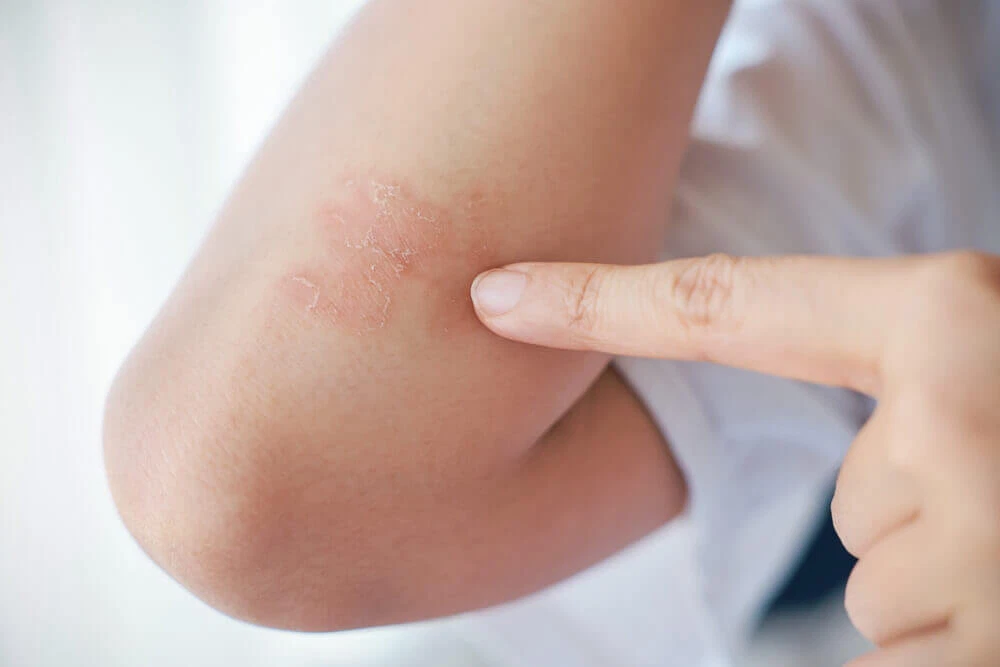
Chemicals, pollutants, and other products we use in our homes may be the cause of some of your skin irritation. Especially for those with sensitive skin, avoiding harsh products and detergents will limit irritation and flare-ups. Some of the most common things that can trigger your seborrheic dermatitis include body washes with fragrance, alcohol-based skincare, hair products, bacteria in the air, dirty pillow cases, and eating oily foods. These products or heavy oils that sit on the skin for long periods can clog your pores and cause different types of skin irritation.
Hormonal Changes
For women, their hormones are linked to just about everything, meaning that when they are unbalanced, your entire physical health is affected. Hormonal changes from menopause, puberty, illness, or pregnancy can show up in skin conditions across the body. Seborrheic dermatitis can start or flare up because of changes in estrogen, progesterone, or other pregnancy hormones.
For men, hormone changes can also result in seborrheic dermatitis flare-ups. Changes in testosterone are the most common trigger for both males and females, as it can impact your body fat and red blood cells. Supplemental hormones may be recommended to balance out your physical health and limit worsening skin conditions.
Seborrheic Dermatitis Treatment From Dermatology West
Dealing with a chronic skin condition can take over your entire life, so seeking professional help can help you better manage your symptoms. Inflammation, itching skin, breakouts, or dry skin can lower your confidence or make it hard to function throughout the day. Dermatology West works with many patients who experience skin conditions of all types to help them limit their symptoms and feel better about their skin.
At Dermatology West, we offer treatments for acne, psoriasis, hair loss, skin cancer, and more. Our team of dermatologists treats everyone with care and compassion no matter what service they are seeking. Our patients who need help with skin conditions or aesthetic improvements can receive the best treatment when working with our office. Schedule your appointment today!