
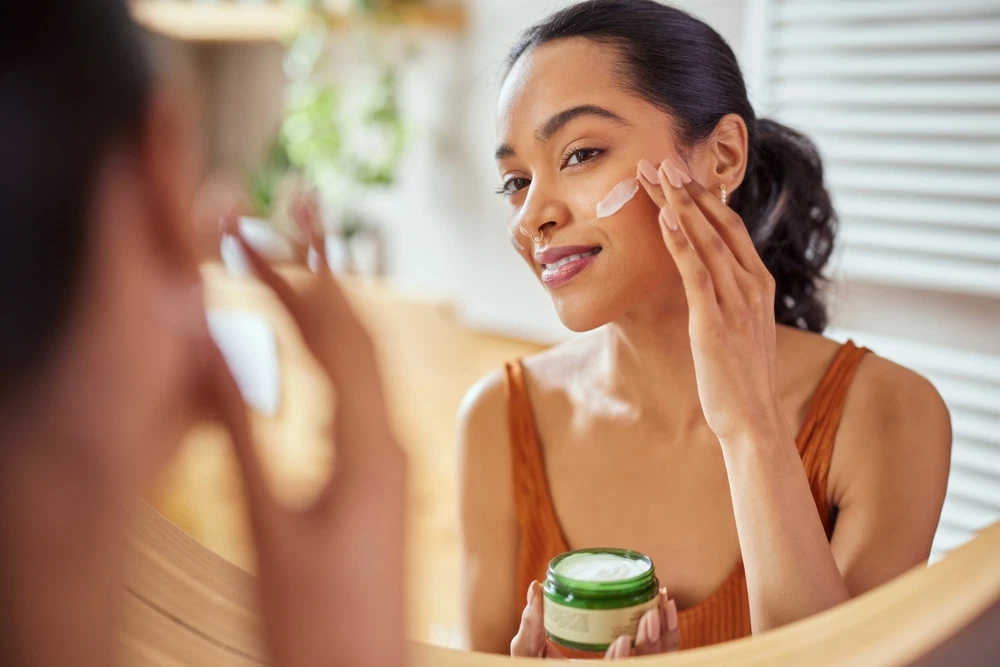
Selecting the right moisturizer is a fundamental step in maintaining healthy, balanced skin. In Farr West, UT, residents often encounter a wide variety of skincare products, making it essential to understand what makes a moisturizer effective. At Dermatology West, multiple providers recognize that education about skincare ingredients and formulations is key to helping individuals make informed decisions. Moisturizers do more than simply hydrate the skin; they help protect the skin barrier, prevent water loss, and support overall skin health.
Moisturizers work by combining humectants, emollients, and occlusives. Humectants attract water to the skin, emollients smooth and soften the skin surface, and occlusives form a protective layer to lock in moisture. Understanding these components is crucial because different skin types benefit from different combinations. For example, a person with dry skin may need a heavier occlusive, while someone with oily skin may benefit from a lightweight, non-comedogenic formula.
Additionally, environmental factors such as climate, seasonal changes, and indoor heating can impact the skin’s moisture needs. People living in regions like Farr West, UT, where winters can be dry and summers warm, may need to adjust their moisturizer accordingly. Knowing how to evaluate skin needs and match them to the appropriate product ensures that the skin remains healthy, resilient, and comfortable throughout the year.
Understanding Your Skin Type
The first step in choosing a moisturizer is identifying your skin type. Skin is generally categorized as normal, dry, oily, combination, or sensitive, and each type has specific needs. Normal skin maintains a balance between oil and moisture and can often tolerate a wide variety of moisturizers. Dry skin lacks natural oils and benefits from thicker, more emollient-rich creams. Oily skin produces excess sebum and requires lightweight, non-greasy formulas that do not clog pores. Combination skin shows characteristics of multiple types, typically with an oily T-zone and drier cheeks, requiring a carefully balanced approach. Sensitive skin can be easily irritated, necessitating gentle, fragrance-free, and hypoallergenic products.
It is also important to consider the skin’s condition beyond its type. Aging skin may benefit from moisturizers containing antioxidants or ingredients like hyaluronic acid, which helps retain hydration and reduce the appearance of fine lines. Individuals experiencing conditions like eczema or rosacea need moisturizers designed to support the skin barrier and minimize irritation. Evaluating both your skin type and specific concerns allows you to select a product that not only hydrates but also supports long-term skin health.
Key Ingredients to Look For
When selecting a moisturizer, the ingredients can make a significant difference in effectiveness. Humectants such as glycerin, hyaluronic acid, and aloe vera attract moisture to the skin, while emollients like squalane, shea butter, and jojoba oil soften and smooth the surface. Occlusives such as petrolatum, dimethicone, and lanolin form a protective layer to prevent moisture loss. Understanding these functions helps in choosing a product suited to your unique skin needs.
Moisturizers may also include additional ingredients that provide specific benefits. Antioxidants, like vitamins C and E, combat free radical damage and support skin repair. Ceramides help restore the skin barrier, particularly in sensitive or dry skin. Ingredients such as niacinamide can soothe irritation and even out skin tone. By evaluating labels and understanding ingredient functions, individuals can select moisturizers that go beyond hydration and actively support the overall health and appearance of the skin.
- Tips for selecting the right moisturizer:
- Match the formula to your skin type (lightweight for oily, rich for dry).
- Check for beneficial ingredients like hyaluronic acid, ceramides, or antioxidants.
- Avoid ingredients that irritate your skin, particularly fragrances or harsh alcohols.
- Consider the season and environment, adjusting for dry winter or humid summer conditions.
Common Misconceptions About Moisturizers
A common misconception is that oily skin does not need moisturizer. In reality, all skin types require hydration to maintain balance and support the skin barrier. Skipping moisturizer can lead to compensatory oil production, which may worsen breakouts. Another myth is that thicker creams are always better. The effectiveness of a moisturizer depends on its formulation and compatibility with your skin type rather than its texture or richness.
Some people also believe that moisturizers alone can treat all skin concerns. While they play a crucial role in skin health, moisturizers are most effective when used as part of a comprehensive skincare routine that includes cleansing, sun protection, and targeted treatments as needed. Understanding what moisturizers can and cannot do helps individuals set realistic expectations and achieve the best results for their skin.
Conclusion
Choosing the right moisturizer is essential for maintaining healthy, resilient skin. By understanding your skin type, evaluating ingredients, and considering environmental factors, you can select a product that provides effective hydration and supports long-term skin health. Residents of Farr West, UT, can benefit from learning how to make informed skincare choices, and at Dermatology West, multiple providers emphasize the importance of education in achieving optimal results. Selecting the right moisturizer is a simple yet powerful step toward maintaining radiant, balanced skin.
Resources:
Draelos, Z. D. (2018). Moisturizers and Skin Barrier Function. Journal of Clinical and Aesthetic Dermatology.
Loden, M. (2003). The Clinical Benefit of Moisturizers. Journal of the European Academy of Dermatology and Venereology.
Rawlings, A. V., & Harding, C. R. (2004). Moisturization and Skin Barrier Function. Dermatologic Therapy.