
General hair loss, or alopecia, is a very common condition, affecting about 50% of the global population. From autoimmune diseases to stress, hormonal imbalances, and genetic components, hair loss can be caused by a wide range of factors. Hair loss can be a symptom of underlying health issues, but even when it may simply be a hereditary trait, losing hair can drastically affect a person’s appearance and self-confidence. It’s important to determine the reason for your hair loss to rule out specific autoimmune diseases or harmful deficiencies, and to find the best treatment plan for you.
At Dermatology West, our team is dedicated to offering you the highest quality of care and service. With professional and experienced dermatologists, we can help to diagnose the type of hair loss that you may be experiencing. Although there are many different types of hair loss, here are 6 of the most common kinds.
1. Androgenetic Alopecia
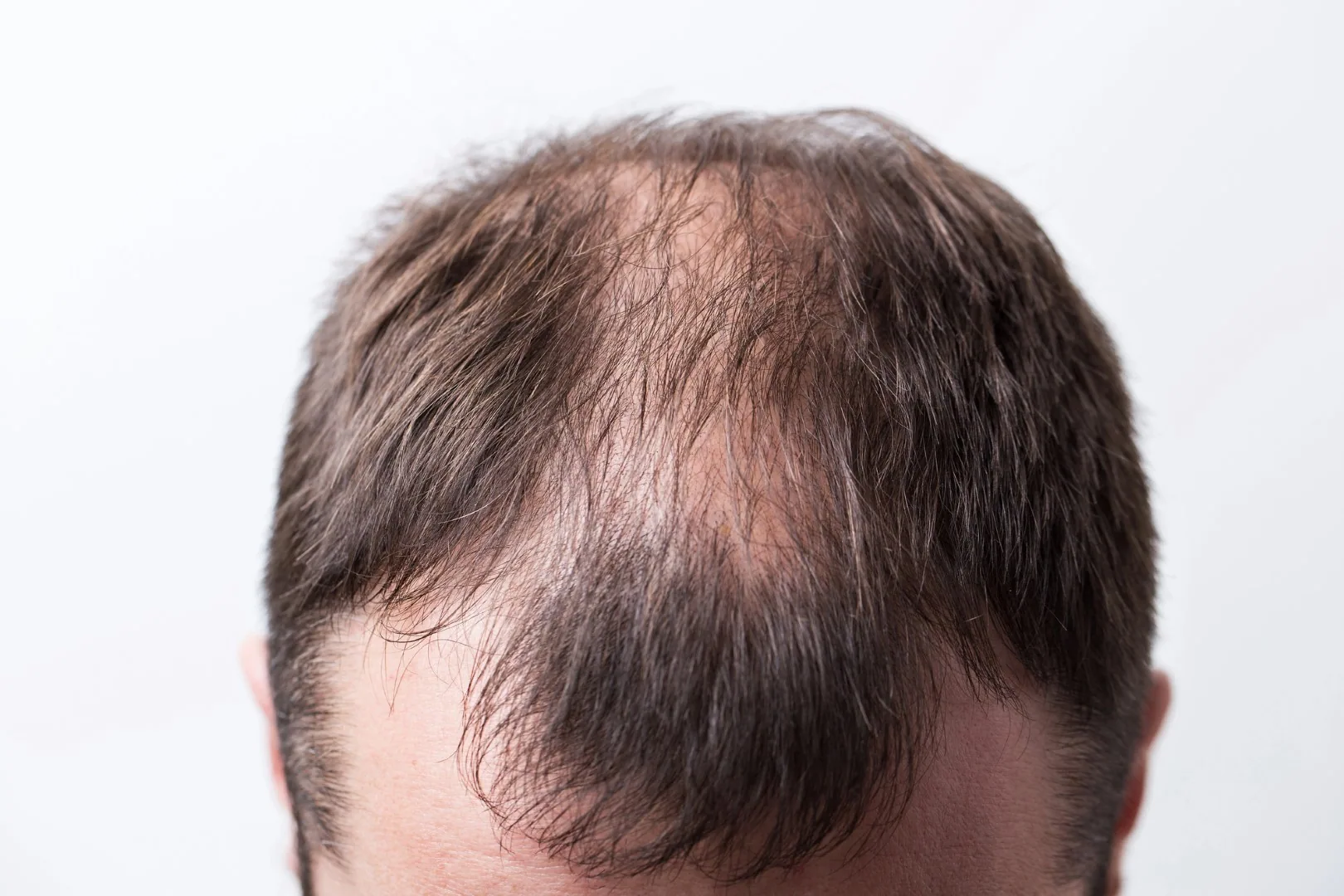
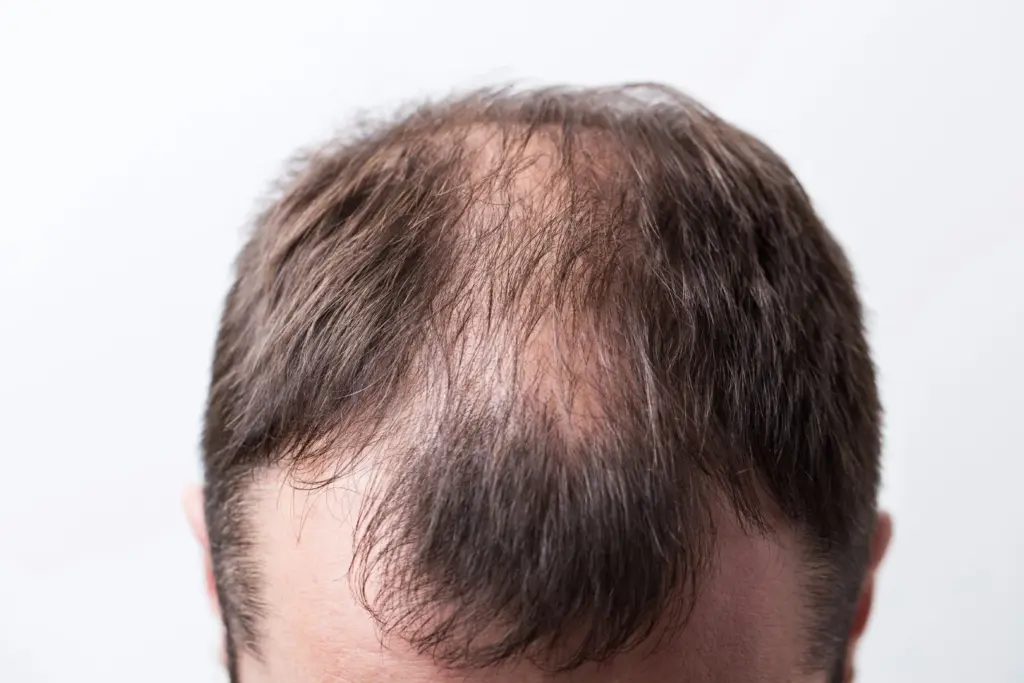
The most well-known and common form of hair loss is androgenetic alopecia, otherwise known as male or female pattern baldness. This alopecia is a genetically predetermined condition that causes hair thinning over time. The first symptoms of androgenetic alopecia in men are hair receding at the temples of the scalp and thinning at the crown. Women often see hair thinning broadly around the entire head, with the loss around the center of their scalp spreading. Treatments for androgenetic alopecia usually include oral finasteride, topical minoxidil, and low-level light therapy.
2. Alopecia Areata
Alopecia areata is a type of autoimmune condition in which the body’s immune system mistakenly attacks your hair follicles. This disease causes hair to fall out in small, circular patches from the scalp, eyebrows, eyelashes, beard, or body. Alopecia areata is more common with a family history of the disease or other autoimmune conditions, and can be triggered by stressful life events or viral infections.
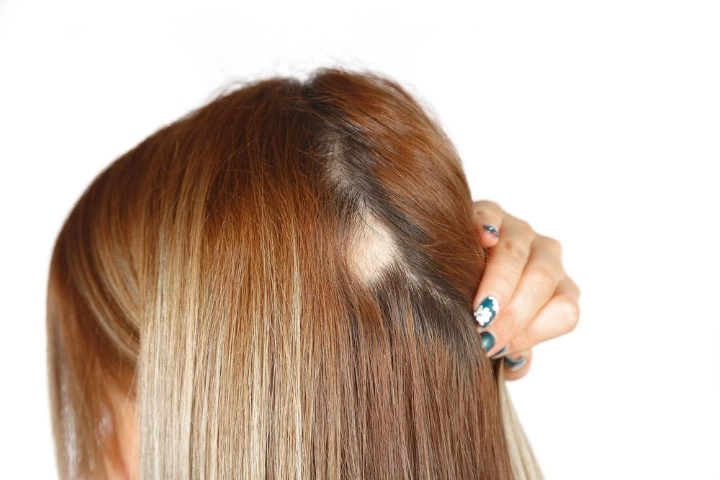
When all hair on the body is lost because of this autoimmune condition, it is called alopecia areata universalis. Dermatologists may address alopecia areata by prescribing topical immunotherapy medications, JAK inhibitors that stop the immune signals that are sending white blood cells to attack hair follicles, and corticosteroids that reduce inflammation around affected areas.
3. Traction Alopecia
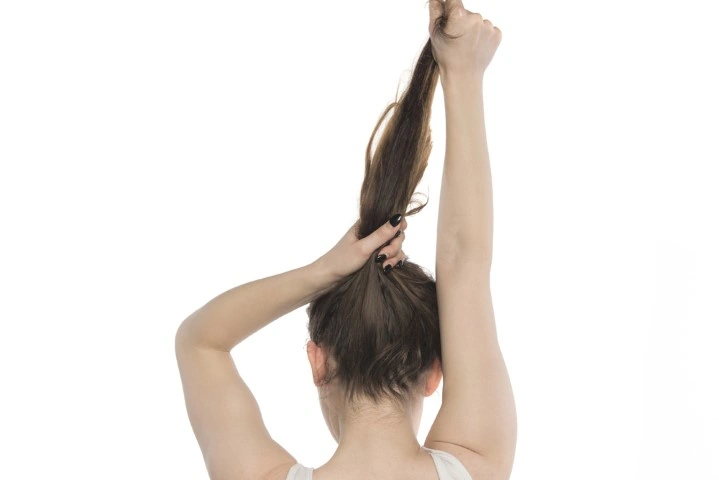
If your hair is constantly being pulled with a tight hat or a high ponytail, you may develop a gradual form of hair loss called traction alopecia. This type of alopecia is caused by prolonged or repeated tugging on the hair follicles. Early signs of this condition are scalp irritation, such as stinging, rash, or tenderness. You’ll most likely notice thinning along the hairline or crown of your head, depending on where the tension is coming from. Traction alopecia is entirely reversible if the source of tension is removed early in hair loss. Professionals might suggest treatment with anti-inflammatory medications or minoxidil. Permanent hair loss occurs if traction continues for years and scars the hair follicles, with the only solution being a hair transplant.
4. Telogen Effluvium
Telogen effluvium is a common form of temporary hair shedding. This condition is usually caused by a sudden illness, hormonal change, or physical or emotional stressor, pushing a large number of hair follicles into a shedding phase. Symptoms include sudden loss of hair, thinning across the entire scalp, and hairs that fall out with the transparent bulb at the root. Telogen effluvium typically resolves on its own 4 to 6 weeks after the underlying stressor is addressed.
5. Anagen Effluvium
This condition is a widespread and rapid form of hair shedding that happens when medical treatments or chemicals stop the active growth phase of the hair follicles. Most commonly triggered by chemotherapy agents, radiation, heavy metal toxicity, or severe nutritional deficiencies. Anagen effluvium is most often temporary, with growth beginning around 2 months after the initial trigger or treatment is stopped.
6. Cicatricial Alopecia
Scarring alopecia, otherwise addressed as cicatricial alopecia, is defined by disorders in which inflammation permanently destroys hair follicles, which are then displaced by scar tissue, or when follicles are damaged and scarred due to external trauma such as burns, infections, or radiation. Symptoms of cicatricial alopecia include hair shedding in patches, scalp irritation, crusting, or pustules. Although this condition is irreversible, treatments can reduce inflammation and help to stop further damage. Early care is important to prevent widespread scarring.
Treat Your Hair Loss With Dermatology West
Our team of experts at Dermatology West can easily determine the cause of your hair thinning and help you to create a solid plan for treatment and hair regrowth. Diagnosing your type of alopecia helps to rule out harmful triggers such as infection, autoimmune diseases, hormonal imbalances, or malnutrition. Take care of your hair and your health by scheduling an appointment with our dermatologists today!