
While stress is common in the lives of many adults, it can be more dangerous than we realize. Stress has been shown to disrupt the body’s natural rhythms and healing methods, leading to physical ailments including organ failure, trouble sleeping, headaches, hair loss, heart palpitations, and more. If you start to notice more hair strands coming out when you shower or after you sleep, stress could be to blame. This blog will dive deeper into how stress impacts your hair cycle and the specific types of hair loss you may experience.
How Stress Impacts The Growth Cycle
Our hair doesn’t grow all at once; it actually progresses through different growth stages. These different stages vary in length of time and actual hair growth. The first stage is Anagen, which is where hair cells divide rapidly and push out new strands. The anagen stage can last from two to eight years, meaning that 90% of your strands are currently in this phase.
The next phase is known as the transition phase or Catagen, which is where the follicle begins to shrink and detach from the blood supply. The hair prepares to retire, but this could take around two weeks.
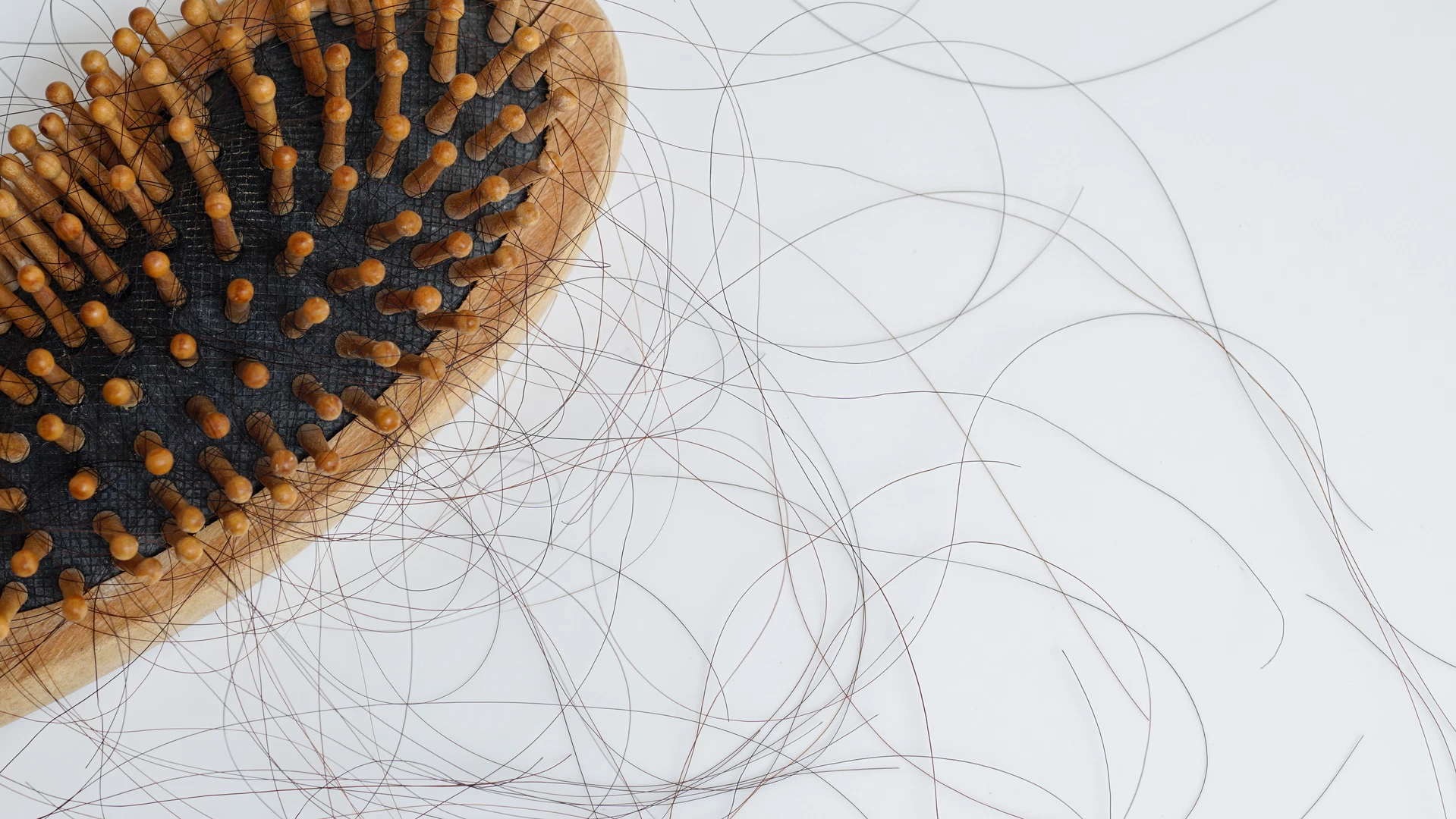
The final stage is telogen, where the hair stops growing and will eventually shed to make room for new growth. We lose between 50 and 100 strands of hair every day, which is considered typical for most people.
When stress starts to impact your physical health, it can disrupt the hair growth cycle in multiple ways. Stress may cause hair strands to switch into the resting phase too early, leading to higher shedding. High levels of cortisol will also push the growth of hair into further phases, leading to more noticeable hair loss.
Common Signs Of Stress-Related Hair Loss
The signs of stress-induced hair loss may be pretty obvious, but there are some small moments you may miss if you have never experienced hair loss before. There are also many causes for hair thinning or loss, which is why taking notice of your symptoms can help a medical team determine the cause of your hair loss.
Symptoms that are common with stress-induced hair loss include:
- Noticeable shedding after burnout or stressful period (2-3 months later)
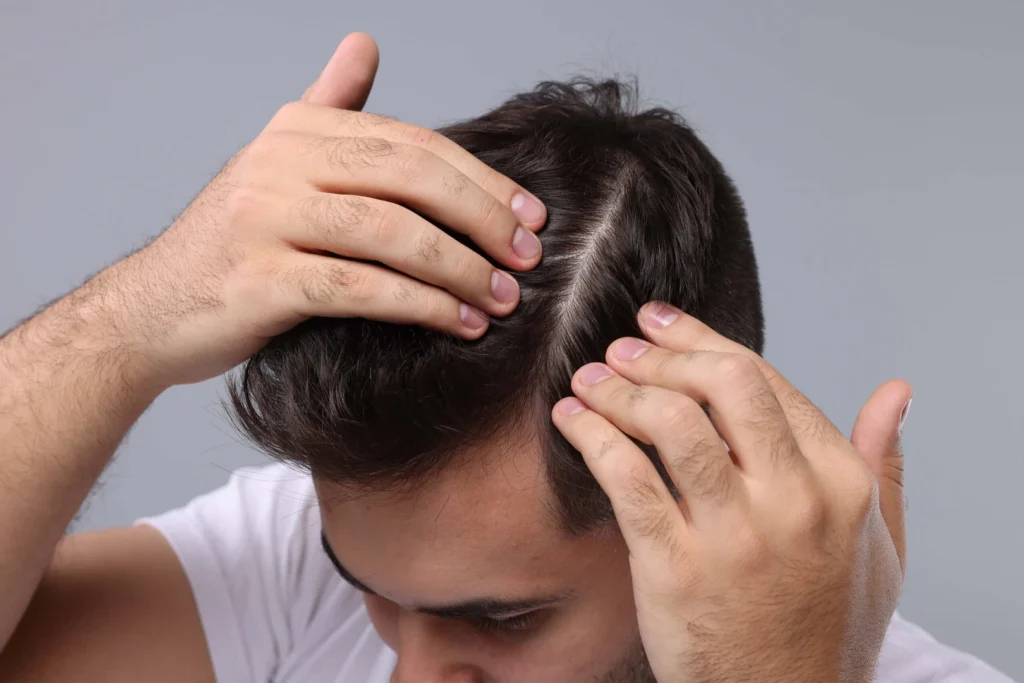
- Thinning primarily along scalp and temples
- Delayed regrowth phase
- Heavy shedding after sleeping or brushing hair
- You feel the need to pull or pick at hair across the body to cope
Types Of Stress-Related Hair Loss
There are multiple types of hair loss, including those not caused by stress, but three common forms can be linked to stress. While it may not be the main cause, these three types can all be triggered or worsened by stress.
Telogen Effluvium
The most common type of stress-induced hair loss is telogen effluvium, which is when a significant stressor like emotional trauma, illness, or major life change pushes more hair into the shedding phase. Sudden increase in daily shedding or overall thinning of the hair are common signs of telogen effluvium. This condition is typically temporary and can be cleared up by addressing the underlying stressor.
Alopecia Areata
This hair loss type is an autoimmune disease that can be triggered by stress. When your immune system starts to attack the rest of your body, it can be hard to alleviate the symptoms. Symptoms of alopecia include round or patchy areas of hair loss, changes in hair texture, or changes in regrowth. Stress can bring autoimmune disease to the forefront, but unfortunately, an autoimmune disease is incurable.
Trichotillomania
This stress-related condition involves the compulsion to pull out hair across the body. Those with trichotillomania often pluck at the scalp, eyebrows, or eyelashes, especially during high anxiety and stressful moments. Trichotillomania can be improved with treatment, but should be handled as soon as repeated pulling can damage the follicles and lead to permanent loss in certain areas.
Can You Treat Stress-Related Hair Loss?
Identifying the cause of your stress and your hair loss is the best way to treat significant hair loss. A dermatologist can help determine if underlying health conditions or stress are directly causing the hair to fall out. The first thing that will be recommended is to reduce stress through better sleep, limiting caffeine consumption, and eating a balanced diet. Other medications may be prescribed if you are unable to lower stress on your own.
If hair loss doesn’t improve with stress-reducing techniques, gentle haircare products, hormone replacement therapy, or injections may be recommended as next steps.
Hair Loss Treatment From Dermatology West
While some hair loss is biologically normal, our dermatologists know that treating the underlying cause is the best way to help patients look and feel their best. If you have noticed fungal infections, other symptoms of autoimmune symptoms, or hormonal imbalances, these could be linked to your hair loss. Working with Dermatology West will allow you to find the root cause of your hair loss and find a treatment method that works for you. Schedule your appointment online to improve your skin, hair, or hormones with our team.