
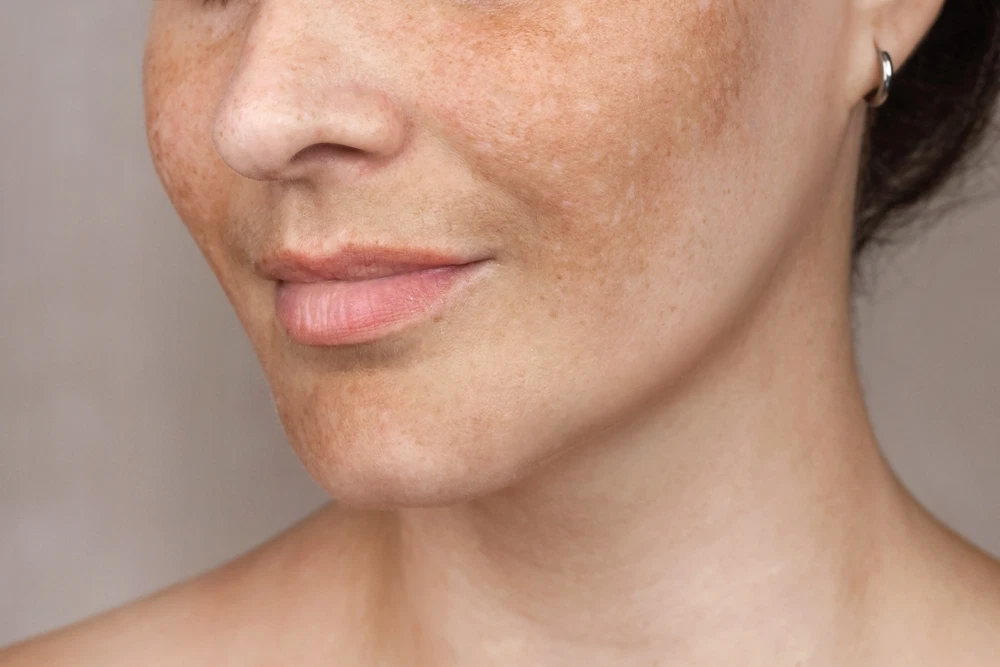
Melasma is a common skin condition that causes brown or gray-brown patches to appear on the face, most often on the cheeks, forehead, nose, and upper lip. While it doesn’t pose any medical danger, melasma can be frustrating, especially when it becomes more visible over time or resists over-the-counter treatments.
At Dermatology West, we regularly help patients manage and reduce the appearance of melasma with personalized care and trusted treatment options. If you’ve been struggling with uneven pigmentation and feel unsure of what’s causing it or how to treat it, you should know there are safe, effective ways to improve it.
What Is Melasma?
Melasma is a form of hyperpigmentation, meaning it results from an overproduction of melanin in the skin. Melanin is the pigment that gives your skin its color, but when melanin becomes unevenly distributed, it can create blotchy or patchy areas of discoloration.
Melasma often appears on sun-exposed areas of the face, but it can also affect the neck, forearms, or other areas with regular sun exposure. It tends to be more common in women than men and is especially prevalent in people with medium to darker skin tones.
The appearance of melasma varies from person to person, but it usually presents as flat, symmetric patches that may slowly darken over time. These patches can become more noticeable with sun exposure, heat, or hormonal changes.
Why Melasma Happens
Melasma is caused by a combination of factors that influence how much melanin your skin produces and how it reacts to light and hormones. Some of the most common contributing factors include:
Sun Exposure. Ultraviolet (UV) light is one of the primary triggers of melasma. Sun exposure stimulates melanocytes (pigment-producing cells), causing them to produce more melanin. Even short periods in the sun without protection can worsen existing melasma or trigger new patches.
Hormonal Changes. Melasma is often referred to as the “mask of pregnancy” because it commonly appears during pregnancy due to shifting hormone levels. It can also be triggered by birth control pills or hormone replacement therapy.
Genetics. If you have a family history of melasma, you may be more likely to develop it yourself. Genetics plays a strong role in how your skin produces and distributes pigment.
Skin Type. Melasma is more common in individuals with darker skin tones, particularly those of Hispanic, Asian, Middle Eastern, or Mediterranean descent. These skin types naturally have more active melanocytes, which may make them more prone to pigment changes.
Heat and Light Exposure. Beyond sunlight, even heat and visible light (from computer screens or indoor lighting) can sometimes aggravate melasma in sensitive individuals.
What Can Help
Melasma can be stubborn and slow to improve, especially without professional care. Many over-the-counter brightening products are not strong enough to make a noticeable difference or may irritate the skin and make discoloration worse.
Because melasma involves deeper layers of pigment and a complex interaction of factors, it typically requires a combination of approaches and ongoing maintenance. The most effective path forward begins with a personalized treatment plan from a dermatology provider who understands your skin.
At Dermatology West, we evaluate your skin type, medical history, and lifestyle to identify the safest and most effective options. Depending on your individual needs, treatment may include:
- Topical prescription medications to reduce pigment production
- In-office procedures such as gentle chemical peels or light-based treatments, when appropriate
- Daily sun protection guidance, including sunscreen recommendations and strategies to reduce exposure
We take a conservative, patient-first approach so you can achieve gradual, lasting improvement without unnecessary irritation. Because melasma can recur, our goal is to not only treat it but also support you in preventing future flare-ups.
When to Seek Care
If you’re noticing uneven pigmentation that won’t fade, or if your current routine isn’t making a difference, it may be time for a professional evaluation. Melasma can resemble other skin conditions, so it’s important to get a clear diagnosis before starting any treatment.
At Dermatology West, Tyler McKinnon, PA-C, MPAS, provides thoughtful, personalized care for pigmentation concerns like melasma. Whether you’re newly diagnosed or have been managing this condition for years, we’re here to help you take the next step.
To explore your treatment options and receive expert support for clearer, more even-toned skin, call 801-917-6177 today and schedule an appointment.