
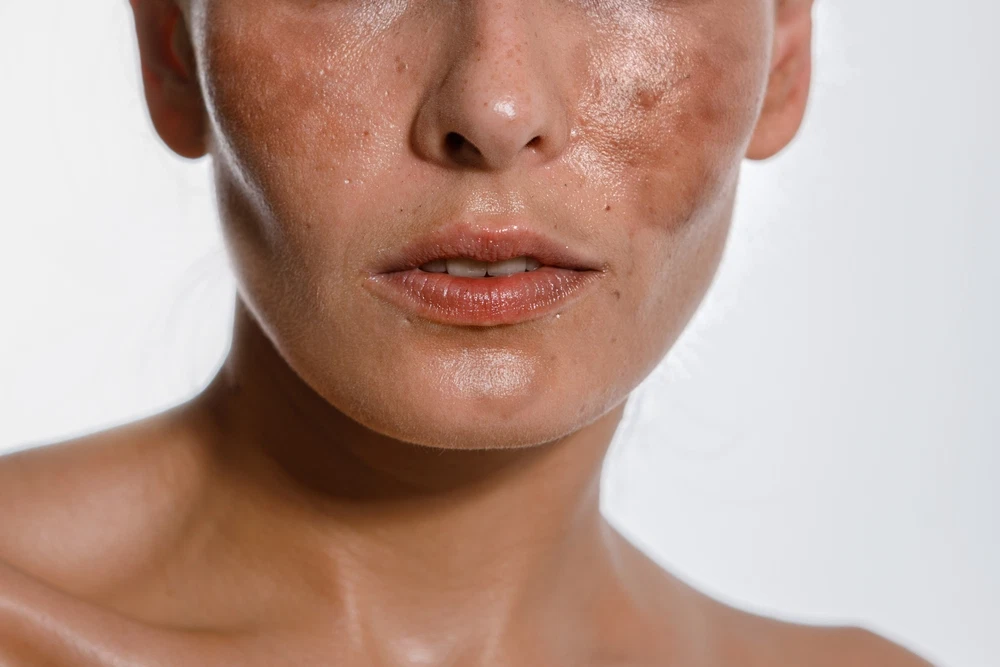
Hyperpigmentation is one of the most common skin concerns among adults. It refers to areas of the skin that appear darker than the surrounding skin due to an overproduction of melanin. While it isn’t harmful, it can affect your confidence and make your skin tone appear uneven.
At Dermatology West, we help patients understand why hyperpigmentation happens, how to prevent it, and which treatment options are available to help even out skin tone and restore your skin’s natural clarity.
What Is Hyperpigmentation?
Hyperpigmentation is not a specific condition but a term that refers to any darkened area of the skin. These spots or patches can appear brown, black, gray, or red depending on your skin tone and the cause. Hyperpigmentation can be small and isolated, like a sun spot, or more widespread, such as in melasma or post-inflammatory marks after acne.
Common Types of Hyperpigmentation
Understanding what kind of hyperpigmentation you’re dealing with is important when it comes to finding the right treatment.
1. Sun Spots (Lentigines). Also called age spots or liver spots, these flat, dark patches usually develop in areas exposed to the sun over time, such as the face, hands, chest, and shoulders. They tend to appear with age and are more common in lighter skin types.
2. Post-Inflammatory Hyperpigmentation (PIH). This type of pigmentation occurs after the skin heals from inflammation or injury. It’s common after acne, eczema, burns, or skin procedures. PIH is more frequent in darker skin tones and may take a long time to fade without treatment.
3. Melasma. Melasma causes larger patches of discoloration, often on the cheeks, forehead, nose, or upper lip. It is more common in women and is often triggered by hormones, sun exposure, or pregnancy.
What Causes Hyperpigmentation?
There are several possible causes, and in many cases, more than one factor is involved.
- Sun exposure: UV radiation stimulates the production of melanin, which can cause dark spots over time.
- Skin injuries or irritation: Anything that causes inflammation—like acne, eczema, cuts, or burns—can lead to post-inflammatory hyperpigmentation.
- Hormonal changes: Pregnancy, birth control, and hormone replacement therapy can trigger melasma in some individuals.
- Medications: Certain drugs, including some antibiotics, chemotherapy agents, and anti-seizure medications, can cause pigmentation changes as a side effect.
- Genetics: Some people are simply more prone to developing hyperpigmentation based on their family history or skin type.
How to Prevent Hyperpigmentation
While not all causes of hyperpigmentation can be avoided, there are several steps you can take to protect your skin and prevent dark spots from forming or worsening.
1. Use Sunscreen Daily. UV protection is the most important part of preventing and managing hyperpigmentation. Apply a broad-spectrum sunscreen with SPF 30 or higher every morning, even on cloudy days. Reapply every two hours if you’re outside for extended periods.
2. Avoid Picking at Your Skin. Popping pimples, scratching bug bites, or picking at scabs can cause inflammation and lead to discoloration. Let your skin heal naturally whenever possible.
3. Use Gentle Skincare. Harsh scrubs, alcohol-based products, or fragrances can irritate the skin and increase the risk of pigmentation, especially in sensitive individuals. Stick to soothing, fragrance-free products that support your skin barrier.
4. Protect Against Heat and Light Exposure. In addition to UV rays, heat and visible light may also trigger melasma and PIH in some individuals. Hats, shade, and mineral-based sunscreens can offer additional protection.
What are Common Treatments for Hyperpigmentation?
Topical Treatments. Prescription creams that contain ingredients like hydroquinone, tretinoin, azelaic acid, or kojic acid can help fade dark spots over time. These treatments work best when used consistently and as directed.
Chemical Peels. Chemical exfoliants can help improve skin tone by encouraging cell turnover and removing surface pigmentation. The strength and type of peel will depend on your skin’s sensitivity and your specific concerns.
Laser Therapy. Laser treatments can target pigment in the deeper layers of the skin. Not all lasers are suitable for all skin tones, so a professional evaluation is necessary to determine whether this option is appropriate for you.
Microneedling. Microneedling encourages collagen production and skin renewal. It can be especially helpful for treating post-inflammatory hyperpigmentation and improving overall skin texture.
Customized Skincare Plans. Tyler McKinnon, PA-C, MPAS, will work with you to identify the safest and most effective approach to treating your pigmentation, whether it’s caused by sun damage, hormones, or inflammation. Every patient’s skin is different, so we never take a one-size-fits-all approach.
Hyperpigmentation can be frustrating, but it doesn’t have to be permanent. With the right care and professional support, you can achieve a clearer, more even complexion. If you’re dealing with dark spots, discoloration, or uneven tone, schedule a visit with Dermatology West in Farr West today. We’ll help you understand what’s happening beneath the surface and create a plan that works for you. For appointments, call 801-917-6177 today.