
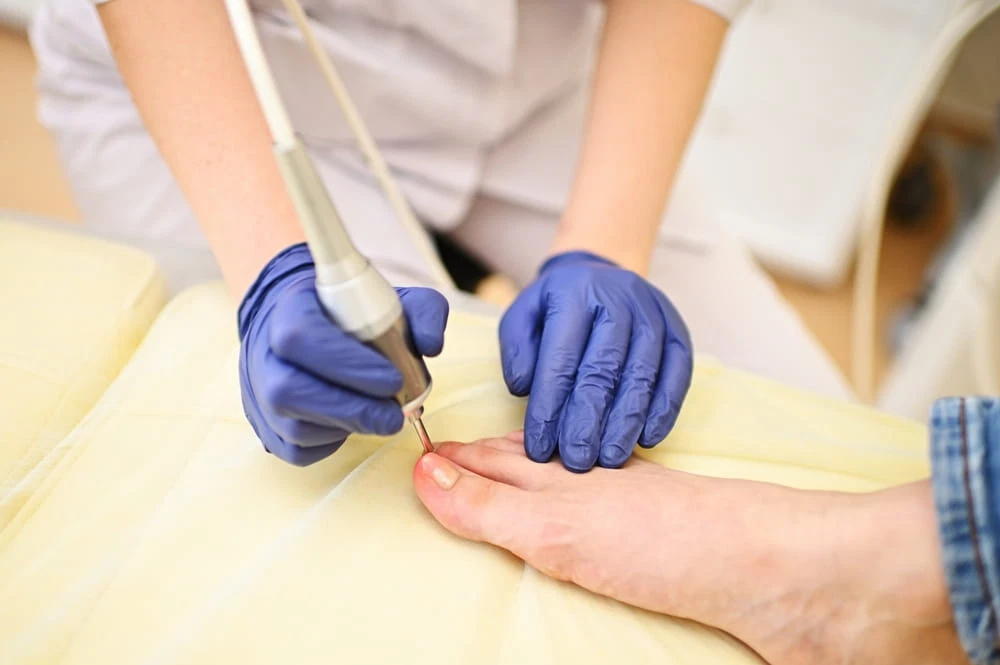
Fungal skin infections are common, contagious, and often uncomfortable, affecting people of all ages. At Dermatology West in Farr West, UT, patients frequently have questions about persistent rashes, itching, and skin changes that may be caused by fungi. While many fungal infections are mild and treatable, proper identification and early care are essential to prevent spreading and recurring problems. Understanding how these infections develop and how to manage them can help protect both skin health and overall well-being.
Understanding Common Types of Fungal Infections
Fungi thrive in warm, moist environments, making certain areas of the body more vulnerable. Common fungal infections include athlete’s foot (tinea pedis), ringworm (tinea corporis), jock itch (tinea cruris), and yeast infections such as candidiasis. These infections typically present as red, scaly, itchy patches that may have defined borders. Some may cause cracking, peeling, or small blisters.
Athlete’s foot often begins between the toes, while ringworm can appear as a circular rash on the body. Yeast infections may develop in skin folds, including under the breasts or in the groin area. Fungal infections can sometimes resemble other conditions like eczema or psoriasis, which makes accurate diagnosis important. If a rash does not improve with standard care or continues to spread, further evaluation may be necessary to confirm the cause.
Effective Treatment Options
Most mild fungal infections can be treated with topical antifungal medications available over the counter. These creams, sprays, or powders typically contain ingredients such as clotrimazole, miconazole, or terbinafine. Treatment usually continues for several weeks, even if symptoms improve sooner, to ensure the infection is fully cleared.
For more severe or widespread infections, prescription-strength topical treatments or oral antifungal medications may be required. It is important to follow treatment instructions carefully and complete the full course. Stopping medication too early can allow the infection to return. In some cases, what appears to be a fungal infection may actually be another skin concern, such as seborrheic dermatitis or even a cyst requiring cyst or lipoma removal. Persistent or unusual skin changes should be evaluated to ensure proper treatment.
Preventing Recurrence and Spread
Prevention plays a key role in managing fungal infections, especially for individuals prone to recurrence. Fungi grow best in damp environments, so keeping skin clean and dry is critical. After bathing or exercising, thoroughly dry areas between toes and skin folds. Wearing breathable fabrics and moisture-wicking socks can help reduce excess moisture.
Additional prevention tips include:
- Avoid walking barefoot in public locker rooms or pools
- Change socks and underwear daily
- Do not share towels, clothing, or personal grooming tools
- Wash athletic gear regularly
- Use antifungal powder if prone to athlete’s foot
Maintaining healthy skin overall can reduce vulnerability to infection. Conditions such as eczema may weaken the skin barrier, increasing the risk of secondary infections. Managing chronic skin issues and addressing excessive sweating can also help prevent fungal overgrowth.
Recognizing When It May Be Something Else
Not every itchy or scaly rash is fungal. Certain bacterial infections, inflammatory skin conditions, or even early signs of skin cancer can sometimes mimic fungal infections. For example, persistent lesions that do not respond to antifungal therapy should be evaluated to rule out more serious concerns. Actinic keratosis or other abnormal skin growths may require targeted treatment rather than antifungal medication.
Additionally, individuals with diabetes or weakened immune systems may experience more frequent or severe fungal infections and should seek prompt evaluation if symptoms arise. Proper diagnosis ensures that treatment is both safe and effective.
Supporting Long-Term Skin Health
Fungal infections are common, but they do not have to become chronic or disruptive. Early recognition, consistent treatment, and preventive habits can significantly reduce discomfort and recurrence. Paying attention to changes in the skin and seeking guidance when symptoms persist are important steps in protecting overall health.
At Dermatology West in Farr West, UT, understanding how fungal infections develop and how to prevent them empowers patients to take proactive care of their skin. With proper hygiene, appropriate treatment, and awareness of warning signs, most fungal infections can be managed successfully while maintaining healthy, resilient skin.
Resources
Gupta, A. K., & Cooper, E. A. (2008). Update in antifungal therapy of dermatophytosis. Mycopathologia.
Havlickova, B., Czaika, V. A., & Friedrich, M. (2008). Epidemiological trends in skin mycoses worldwide. Mycoses.
Centers for Disease Control and Prevention. (2023). Fungal diseases: Ringworm.