
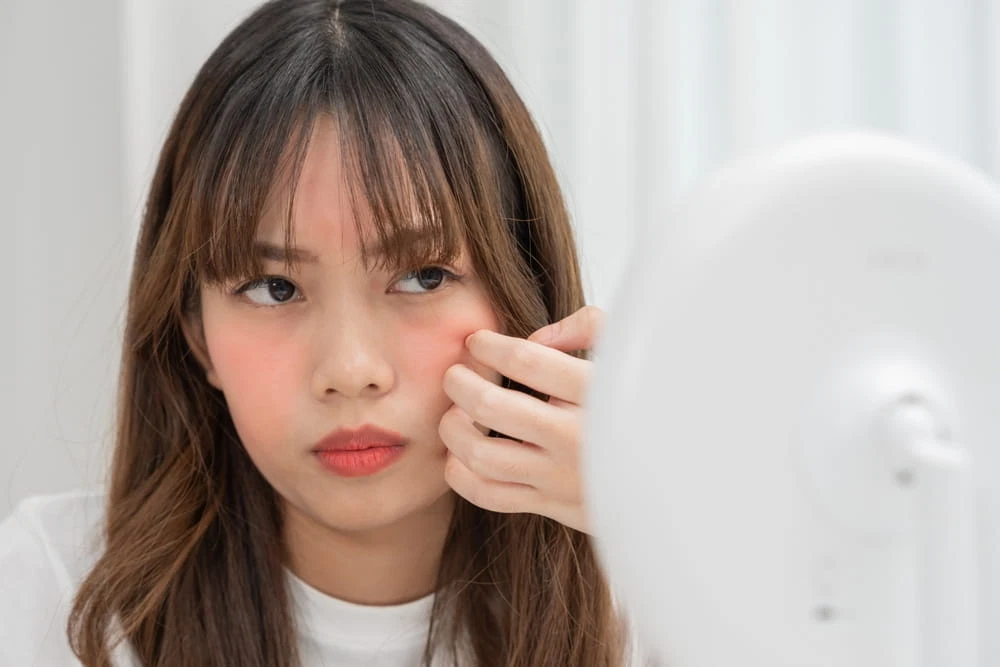
Hormones play a powerful role in regulating the skin’s oil production, thickness, elasticity, and overall appearance. At Dermatology West in Farr West, UT, many patients seek guidance when they notice unexpected breakouts during puberty or increased dryness and sensitivity during menopause. These changes are not random; they are closely tied to shifting hormone levels that influence how the skin behaves. Understanding what happens beneath the surface can help individuals make informed decisions about skincare and long-term skin health.
Hormones and the Skin: The Connection
The skin contains hormone receptors that respond to fluctuations in estrogen, progesterone, and androgens such as testosterone. These hormones regulate sebum production, collagen synthesis, and even wound healing. When levels shift dramatically, as they do during puberty and menopause, the skin often reflects those internal changes.
In adolescence, rising androgen levels stimulate sebaceous glands to produce more oil. This excess oil can mix with dead skin cells and clog pores, creating an environment where acne-causing bacteria thrive. Later in life, declining estrogen levels during menopause can lead to reduced collagen production, thinner skin, dryness, and increased sensitivity. Recognizing these patterns helps explain why skincare needs evolve over time.
Puberty: Increased Oil and Acne Development
Puberty is often the first time individuals experience significant skin changes. The surge in androgens triggers increased oil production, particularly on the face, chest, and back. This excess oil, combined with rapid skin cell turnover, makes clogged pores and inflammatory breakouts more common. For many teenagers, acne becomes a central concern during these years.
Acne can range from mild blackheads and whiteheads to deeper cystic lesions. Without proper management, inflammation can lead to discoloration or scarring. Early intervention and consistent skincare are key to reducing long-term effects. Evidence-based acne treatments, such as topical retinoids, benzoyl peroxide, or prescription therapies, can help regulate oil production and prevent clogged pores. Education on gentle cleansing, avoiding harsh scrubs, and not picking at blemishes also plays a critical role in minimizing inflammation and post-inflammatory hyperpigmentation.
Menopause: Dryness, Thinning, and Sensitivity
During menopause, estrogen levels decline significantly. Estrogen supports collagen production, skin thickness, and moisture retention. As levels decrease, the skin may become drier, thinner, and less elastic. Fine lines may appear more pronounced, and healing can take longer than it did in earlier years.
Menopausal skin may also feel more sensitive or reactive. Conditions such as eczema or psoriasis can flare due to changes in the skin barrier. Maintaining hydration becomes especially important. Using gentle, fragrance-free cleansers and thicker moisturizers with ingredients like ceramides and hyaluronic acid can help restore barrier function. Sun protection remains essential, as thinning skin is more vulnerable to ultraviolet damage and pigment changes. Monitoring for new or changing lesions is also important, as skin cancer risk increases with age and cumulative sun exposure.
Supporting Skin Through Hormonal Transitions
Although hormonal changes are natural, proactive care can reduce their impact. A balanced skincare routine tailored to life stage can help maintain comfort and appearance. Consider the following supportive measures:
- Use non-comedogenic products during puberty to avoid clogged pores.
- Incorporate sunscreen daily to prevent discoloration and premature aging.
- Add gentle exfoliation to support healthy cell turnover without irritation.
- Prioritize hydration with barrier-repair moisturizers during menopause.
- Seek professional evaluation for persistent acne, unusual rashes, or changing moles.
In some cases, hormonal therapies or prescription medications may be discussed with healthcare providers when symptoms significantly affect quality of life. Individualized care ensures that treatment aligns with overall health needs.
Hormonal transitions such as puberty and menopause are inevitable stages of life, but the skin does not have to suffer unnecessarily. By understanding how fluctuating hormone levels influence oil production, collagen, and inflammation, individuals can adapt their skincare routines and seek appropriate guidance when needed. For those looking for reliable, research-based information about managing skin concerns at every age, Dermatology West in Farr West, UT serves as a trusted educational resource for navigating the effects of hormonal change on skin health.
Resources
Zouboulis, C. C. (2004). The human skin as a hormone target and an endocrine gland. Hormones.
Dreno, B., Thiboutot, D., & Layton, A. M. (2018). Large-scale worldwide observational study of acne management. Journal of the American Academy of Dermatology.
Thornton, M. J. (2013). Estrogens and aging skin. Dermato-Endocrinology.