Skin cancer is the most common form of cancer, and it affects people of all ages and skin types. While that may sound concerning, the good news is that skin cancer is also one of the most treatable cancers, especially when it’s found early.
At Dermatology West in Farr West, we often see patients who aren’t sure what to look for when it comes to potential skin cancer. Many changes in the skin are completely harmless, but some deserve a closer look. Knowing what’s normal and what isn’t can help you feel more confident about your skin and allow you to seek care when needed.
What Is Skin Cancer?
Skin cancer occurs when abnormal skin cells grow out of control. The three most common types are:
- Basal cell carcinoma (BCC)
- Squamous cell carcinoma (SCC)
- Melanoma
Basal and squamous cell cancers are more common and typically slow-growing. Melanoma is less common but more serious and requires early treatment.
All three types can be managed very successfully when caught early, which is why regular skin exams, both at home and in the clinic, are so important.
Early Signs to Watch For
Not every mole, freckle, or skin spot is cause for concern, but changes in the skin that seem new, unusual, or persistent should be checked out by a dermatology provider. Here are a few things to keep an eye on:
1. A New Spot That Doesn’t Go Away
If you notice a new bump, patch, or mole that wasn’t there before and it doesn’t fade or heal after several weeks, it’s a good idea to have it examined. Even spots that aren’t painful can sometimes be early signs of skin cancer.
2. A Sore That Won’t Heal
A small sore that scabs over, reopens, or just won’t go away may be more than a simple scrape. This is a common feature of basal cell carcinoma, especially on areas exposed to the sun like the face, ears, neck, or scalp.
3. Scaly, Rough, or Raised Patches
Squamous cell carcinoma can appear as a rough or scaly patch of skin that may bleed or crust over. These areas are often mistaken for dry skin or a persistent rash. If the spot doesn’t respond to moisturizer or starts growing, it’s worth checking.
4. A Mole That Changes Over Time
Most moles are harmless, but if you notice a mole that is changing in shape, size, or color—or one that starts to itch, bleed, or become tender—it’s important to get it looked at. Melanoma often begins as a change in an existing mole or the appearance of a new, irregular one.
5. The “Ugly Duckling” Spot
Sometimes, the most noticeable feature of a concerning spot is that it simply looks different from all your other moles or freckles. This is known as the “ugly duckling” sign. If something on your skin stands out, trust your instincts and ask a provider to take a closer look.
What Increases Risk?
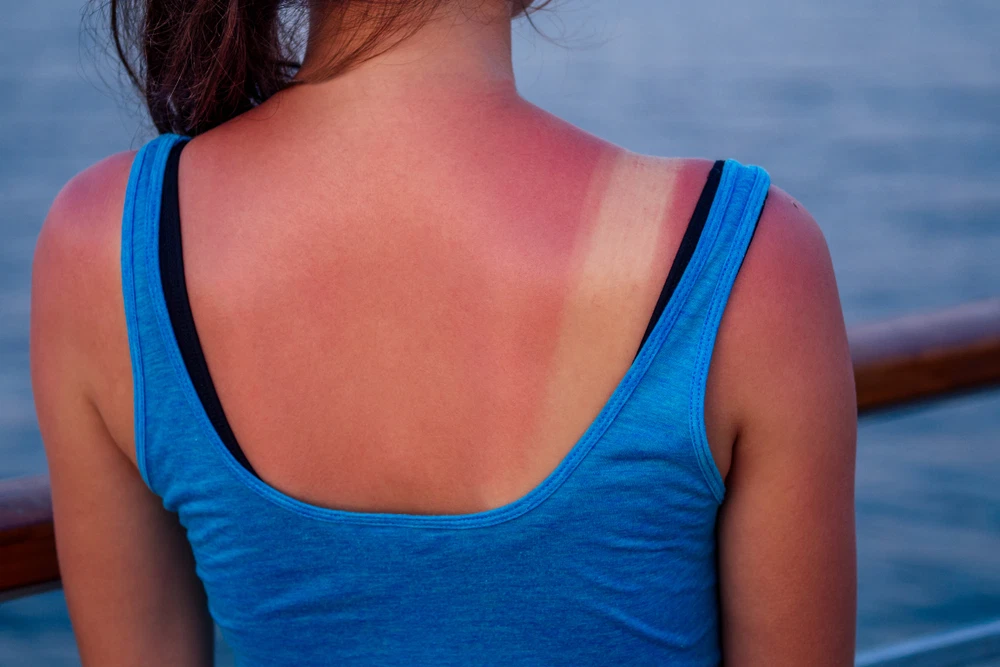
Sun exposure is one of the most significant risk factors for all types of skin cancer. That’s why protecting your skin year-round is so important, especially during outdoor work or recreation. Other risk factors include:
- Fair skin or light eyes
- History of sunburns
- Frequent tanning bed use
- A personal or family history of skin cancer
- Having many moles or atypical moles
- Being over age 50
Even if you don’t have these risk factors, skin cancer can still occur. That’s why regular skin checks are beneficial for everyone.
What You Can Do
You don’t need to examine every inch of your skin every day, but doing a self-check once a month is a good habit. Use a mirror or ask a partner to help check hard-to-see areas like your back or scalp.
The key is to look for changes: anything new, unusual, or slowly evolving. Take photos of moles or spots if you’re unsure, and compare them over time.
And if something doesn’t seem right? Don’t wait. It’s always better to have a spot evaluated early. A simple in-office visit can provide clarity and peace of mind.
Personalized Skin Exams at Dermatology West
At Dermatology West, we understand that seeing a provider for a skin check can feel intimidating. That’s why we take a patient-first approach. Tyler McKinnon, PA-C, MPAS, offers thoughtful, compassionate care for every patient, and he takes the time to explain what he’s seeing, why it matters, and what the next steps are, if any are needed at all.
Most skin changes are not cancer, but when they are, early detection makes a world of difference. Whether you have a specific spot you’re concerned about or just want a professional skin check for reassurance, we’re here to help.
Schedule your skin exam with Dermatology West today and take a proactive step in caring for the health of your skin. For appointments, call 801-917-6177.