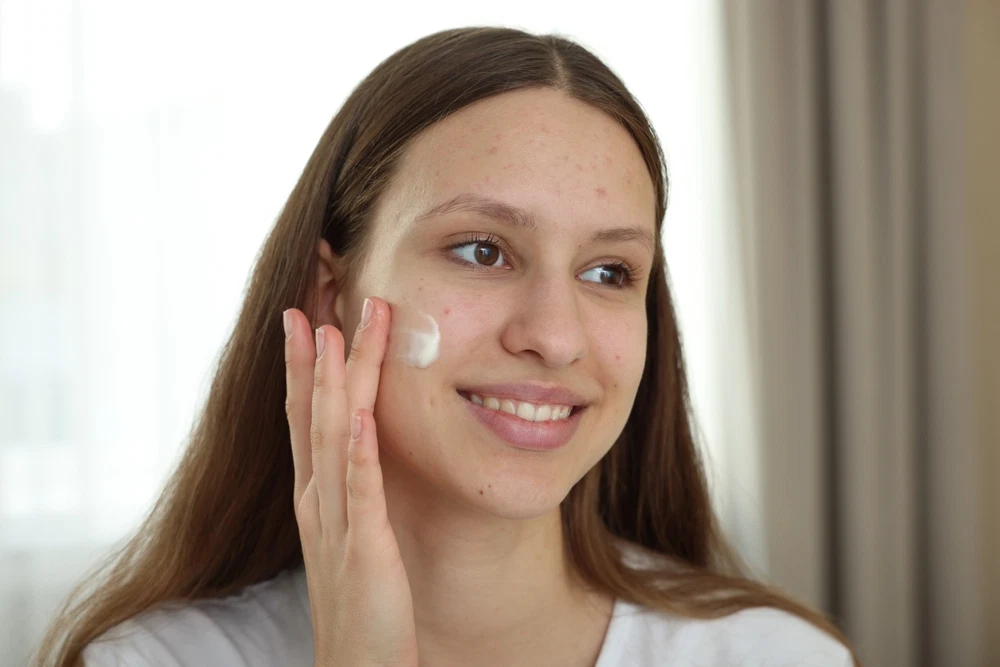
Acne is one of the most common skin conditions, affecting millions of individuals of all ages. For those in Farr West, UT, seeking solutions, over-the-counter (OTC) acne treatments are often the first step. At Dermatology West, patients frequently ask whether these products are truly effective or just a temporary fix. OTC acne treatments are designed to target various factors that contribute to acne, such as excess oil production, clogged pores, bacteria, and inflammation. Understanding the ingredients and how they work can help determine whether these products are suitable for an individual’s skin type and severity of acne.
While OTC treatments are accessible without a prescription and can be convenient, their effectiveness varies widely depending on the formulation and consistent use. They are often most beneficial for mild acne, such as occasional pimples or blackheads, whereas more severe or persistent acne may require professional evaluation. By understanding the mechanisms behind these treatments, patients in Farr West, UT can make informed decisions about their skincare routine and set realistic expectations for results.
How OTC Acne Treatments Work
The effectiveness of an over-the-counter acne treatment largely depends on its active ingredients. Common ingredients include benzoyl peroxide, salicylic acid, alpha hydroxy acids, and sulfur. Benzoyl peroxide works by killing the bacteria that contribute to acne while reducing inflammation. Salicylic acid helps to exfoliate the skin and unclog pores, preventing new blemishes from forming. Alpha hydroxy acids, such as glycolic or lactic acid, promote cell turnover and improve overall skin texture. Sulfur reduces excess oil and can have anti-inflammatory effects.
OTC products are available in various forms, including cleansers, creams, gels, and spot treatments. Each form may offer different levels of effectiveness depending on the severity and location of acne. For instance, a daily cleanser with salicylic acid may be ideal for preventing new breakouts, while a targeted benzoyl peroxide gel may be more effective for active pimples. Proper application is critical, as using too much or too little can reduce results or cause irritation. Additionally, patience is necessary, as most OTC treatments require several weeks to show noticeable improvement.
Who Benefits Most from OTC Acne Treatments
OTC acne treatments are generally most effective for individuals with mild to moderate acne. Those with occasional pimples, blackheads, or whiteheads often experience significant improvement using consistent daily routines with these products. For many users, combining an exfoliating cleanser with a targeted spot treatment can help maintain clear skin and reduce the frequency of breakouts. It is also important to tailor treatment to skin type, as sensitive or dry skin may require gentler formulations to prevent irritation.
However, individuals with severe acne, including cysts or nodules, may find OTC treatments insufficient. In these cases, the underlying causes of acne may be more complex, involving hormonal fluctuations or other systemic factors that require medical intervention. Recognizing the limits of OTC products is important, as prolonged use without improvement may delay professional care. Consulting with a dermatologist can help identify when OTC options are appropriate and when more advanced treatments may be necessary.
Tips for Maximizing Effectiveness
Using OTC acne treatments correctly can significantly influence results. Here are some tips for maximizing effectiveness:
- Apply products consistently as directed, typically once or twice daily.
- Avoid overuse, which can cause dryness or irritation.
- Pair treatments with a gentle moisturizer to maintain skin hydration.
- Be patient, as improvements may take several weeks to become noticeable.
- Monitor skin response and adjust products if irritation occurs.
In addition to following product instructions, lifestyle factors can play a supportive role. Maintaining a balanced diet, managing stress, and avoiding harsh scrubbing of the skin can enhance the results of OTC treatments. Regularly cleaning pillowcases and avoiding touching the face can also reduce bacteria exposure, complementing the benefits of topical treatments.
Evaluating OTC Acne Treatment Effectiveness
Over-the-counter acne treatments can be effective for many individuals, especially those with mild or moderate acne. Their success depends on selecting the right ingredients, following a consistent routine, and having realistic expectations. While some may achieve noticeable improvements within a few weeks, others may need professional guidance to address persistent or severe acne. For residents in Farr West, UT, understanding the benefits and limitations of these products is essential for making informed skincare choices. At Dermatology West, we encourage patients to learn about available options and the mechanisms behind OTC treatments to ensure optimal skin health.
Resources:
- Thiboutot, D., & Del Rosso, J. Q. (2009). Acne Vulgaris and Acneiform Eruptions. Journal of Clinical and Aesthetic Dermatology.
- Zaenglein, A. L., et al. (2016). Guidelines of Care for the Management of Acne Vulgaris. Journal of the American Academy of Dermatology.
- Dreno, B., et al. (2015). Understanding Acne: Pathogenesis and Treatment Strategies. Dermatology Research and Practice.