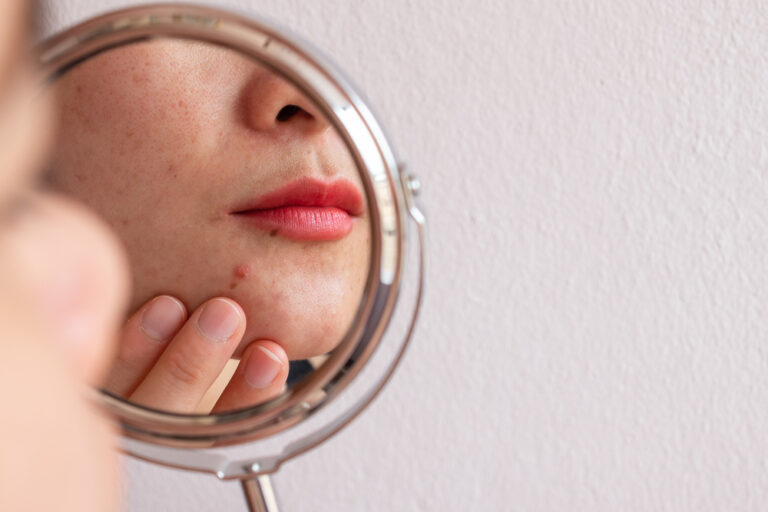
Hyperpigmentation after acne breakouts is one of the most common concerns patients bring to Dermatology West in Farr West, UT. Even after a blemish heals, dark marks can linger for weeks or months, creating frustration and affecting confidence. These spots, known as post-inflammatory hyperpigmentation (PIH), are not true scars but areas where the skin has produced excess melanin in response to inflammation. With the right approach, it is possible to reduce their appearance and support clearer, more even-toned skin.
Understanding Post-Inflammatory Hyperpigmentation
Post-inflammatory hyperpigmentation occurs when the skin reacts to inflammation caused by acne, eczema, psoriasis, or other skin conditions. When the skin is injured or inflamed, melanocytes increase melanin production as part of the healing response. This can leave behind flat brown, tan, or even purplish marks once the breakout subsides. Unlike raised or indented acne scars, these spots are discolorations that gradually fade over time, though the process can be slow without intervention.
Individuals with medium to darker skin tones are more prone to hyperpigmentation because their skin naturally produces more melanin. However, anyone can develop PIH after acne lesions, cysts, or even minor picking and scratching. Managing underlying conditions such as acne or eczema is a key first step in prevention. For those experiencing frequent breakouts, exploring professional guidance for acne management may help reduce future discoloration and promote healthier skin overall.
Preventing Dark Spots Before They Start
The most effective way to minimize hyperpigmentation is to reduce inflammation from the beginning. Avoid picking, squeezing, or aggressively scrubbing blemishes, as these actions worsen inflammation and increase the likelihood of discoloration. Gentle cleansing with a mild, non-irritating cleanser helps maintain the skin barrier and prevents further irritation.
Daily sun protection is essential. Ultraviolet exposure darkens existing spots and prolongs healing time. Using a broad-spectrum sunscreen with SPF 30 or higher every day, even during cloudy weather, can significantly limit worsening pigmentation. In addition, wearing hats and seeking shade during peak sunlight hours adds another layer of protection. Preventive habits are just as important as treatment when aiming for even skin tone.
Ingredients That Help Fade Hyperpigmentation
Certain topical ingredients are well-researched for improving discoloration. Incorporating these into a consistent skincare routine can gradually brighten affected areas:
- Vitamin C: Helps inhibit melanin production and provides antioxidant protection.
- Niacinamide: Reduces inflammation and supports skin barrier repair.
- Retinoids: Encourage cell turnover, helping pigmented cells shed more quickly.
- Azelaic acid: Useful for both acne control and pigmentation reduction.
- Hydroquinone (short-term use under medical guidance): Can lighten stubborn dark spots.
Consistency is key, as most topical treatments require several weeks to show visible improvement. Introducing products slowly and monitoring for irritation helps prevent further inflammation, which could otherwise worsen discoloration. Individuals dealing with persistent or severe acne lesions may benefit from professional treatment options to address the root cause while simultaneously targeting hyperpigmentation.
Professional Treatments for Stubborn Spots
When over-the-counter approaches are not enough, dermatologic procedures may be considered. Chemical peels, prescription-strength retinoids, and certain laser treatments can accelerate fading by promoting controlled exfoliation and collagen remodeling. These treatments should be tailored to skin type and tone to reduce the risk of complications.
In some cases, conditions like cysts or nodular acne may contribute to deeper inflammation and a higher risk of discoloration. Addressing structural concerns, such as cyst or lipoma removal when appropriate, may reduce recurrent inflammation that leads to persistent dark marks. An individualized plan developed with qualified providers ensures that treatment supports both safety and effectiveness.
Supporting Long-Term Skin Health
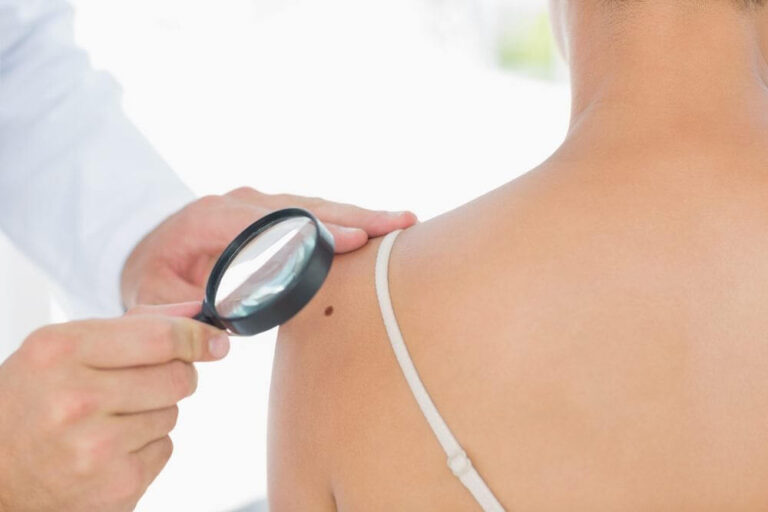
Hyperpigmentation often improves gradually, but maintaining healthy skin habits supports long-term clarity. Gentle skincare routines, consistent sun protection, and prompt management of inflammatory conditions all play essential roles. Monitoring for unusual changes in the skin, such as evolving moles or lesions, is also important, as some forms of pigmentation may require evaluation to rule out more serious concerns.
Patience is essential, as skin renewal takes time. By combining preventive strategies, evidence-based ingredients, and professional guidance when necessary, individuals can significantly reduce the appearance of dark spots after breakouts. For patients seeking reliable, research-informed information about skin health, Dermatology West in Farr West, UT serves as a trusted educational resource for navigating concerns like post-inflammatory hyperpigmentation and maintaining clearer, healthier skin.
Resources
American Academy of Dermatology Association. (2023). Post-inflammatory hyperpigmentation: Overview and treatment. Journal of the American Academy of Dermatology.
Draelos, Z. D. (2018). Skin lightening preparations and the hydroquinone controversy. Dermatologic Therapy.
Taylor, S. C., & Cook-Bolden, F. (2006). Defining and treating postinflammatory hyperpigmentation. Cutis.